Our sensory impressions of pain are generally thought to represent the noxious properties of an agent but can be influenced by the 𝗽𝗿𝗲𝗱𝗶𝗰𝘁𝗲𝗱 𝗹𝗲𝘃𝗲𝗹 𝗼𝗳 𝘁𝗵𝗿𝗲𝗮𝘁.
Individuals with more catastrophic thinking about pain and with low mindfulness are significantly more reliant on schemas (predictions and expectations about pain) than on the actual sensory evidence from pain stimulus.
Pain perception is biased more towards predictions and less towards nociceptive inputs in individuals who report 𝗹𝗲𝘀𝘀 𝗺𝗶𝗻𝗱𝗳𝘂𝗹𝗻𝗲𝘀𝘀 𝗮𝗻𝗱 𝗺𝗼𝗿𝗲 𝗳𝗲𝗮𝗿 𝗼𝗳 𝗽𝗮𝗶𝗻.
Threat predictions generated from cognitive schemas also continue to influence pain perception despite of increasing prediction errors arising in pain pathways.
Individuals who continued to experience pain based more on the predicted threat than on changes in nociceptive inputs typically report high pain catastrophizing and less mindful-awareness scores. Such findings direct us to a significant role of top-down processes in pain perception.
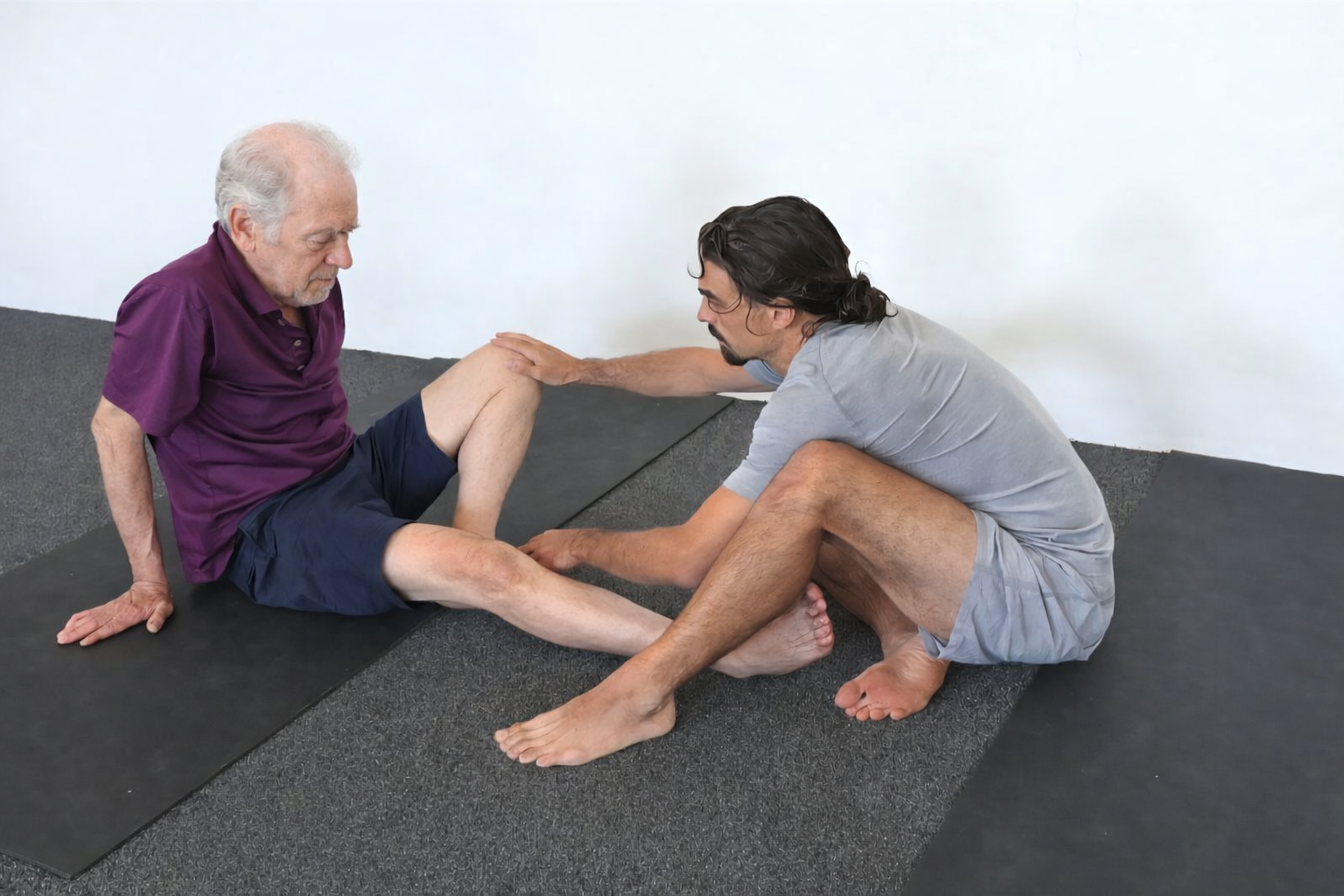
Yoga postures, employing a wide range of movement variety, done with mindful attention and a graduated approach, can be used to recalibrate ones sensory experience, and improve movement capacity and reduce pain.
Reference:
Threat prediction from schemas as a source of bias in pain perception.
Journal of Neuroscience 2 January 2020